Alright, let's talk stucco repair. You've got a crack, a hole, or maybe some flaking, and you're probably wondering, "Can I just fix this myself?" That's a fair question. The answer, like most things in construction, is "it depends." As someone who's been doing this for years right here in Mesa, I've seen homeowners try everything. Some patch jobs are brilliant, others are, well, absolute disasters. My goal here isn't to scare you off, but to give you a straight-up, honest assessment of what you're getting into.
Before You Start: Check Out the Damage
Before you even think about grabbing a trowel, you've got to figure out what kind of damage you're actually dealing with. This is super important for deciding if it's a DIY job or if you need to call in a professional, like us at Mesa Stucco & Plastering.
- Hairline Cracks: These are pretty common, especially with our wild temperature swings out here in the desert. Stucco expands and contracts, and sometimes you get these thin, spiderweb-like cracks. If you can't stick a credit card in it, it's probably just a surface crack.
- Larger Cracks: Now, if a crack is wider than a credit card, or if it's running horizontally or diagonally for a long stretch, that's a bigger concern. This could mean structural movement or water getting in behind the stucco.
- Holes and Dents: Maybe a kid's baseball hit the wall, or you pulled out an old hose reel. Small holes or dents where the stucco is still firmly attached around the edges are often good candidates for DIY.
- Delamination or Spalling: This is when the stucco is flaking off, crumbling, or separating from the wall. You might hear a hollow sound when you tap it. This usually means moisture has snuck in behind the stucco, and the problem goes deeper than just the surface.
- Water Stains or Mold: Any dark streaks, bubbling, or soft spots are big red flags. This almost always points to a serious moisture issue that needs a professional to investigate.
What You Can Probably Fix Yourself
For the average homeowner, you can usually handle the small stuff. I'm talking about those hairline cracks and small holes or dents. Here's the basic rundown:
Hairline Cracks
You'll need a good quality elastomeric caulk that's paintable and made for stucco or masonry. Clean the crack really well – use a wire brush to get any loose debris out. Then, apply the caulk smoothly into the crack. Don't overfill it; you want it flush with the surface. Once it's dry, you can paint over it to match your existing stucco color. This is a pretty straightforward fix and can keep those small cracks from turning into bigger problems later on.
Small Holes or Dents
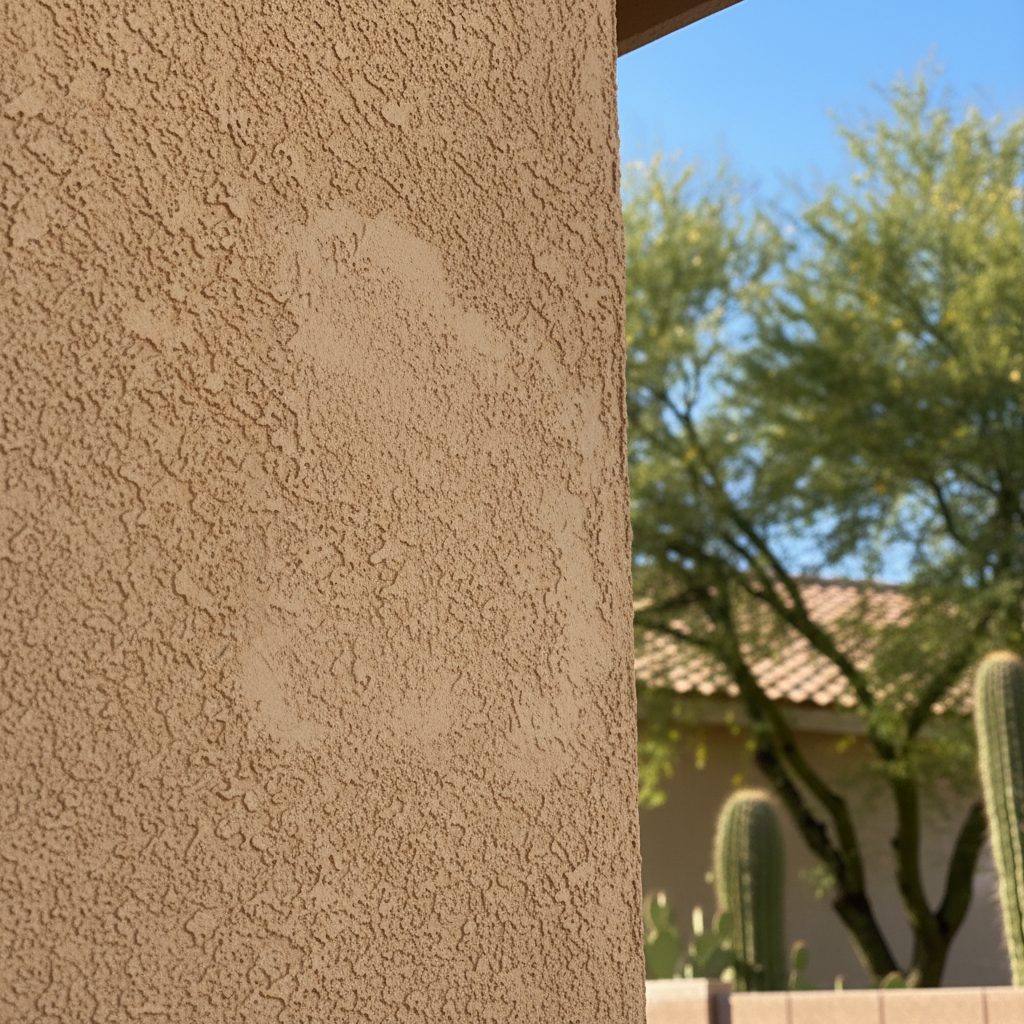
For a hole the size of a golf ball or smaller, you can often patch this yourself. First, clean out any loose stucco around the edges. You want a solid, stable surface. If the lath (that's the mesh behind the stucco) is exposed, make sure it's clean too. You'll need some stucco patching compound – you can grab small tubs of this at most hardware stores. Mix it according to the directions, usually to a peanut butter consistency. Apply the first layer, pressing it firmly into the hole. If it's a deeper hole, you might need a couple of layers, letting each one dry a bit before putting on the next. Build it up slightly proud of the surface. Then, use a float or a trowel to blend it in with the surrounding stucco texture. This is where practice comes in – matching texture is tricky business. Once it's dry, you can paint it.
When to Call a Pro (Seriously, Don't Skimp Here)
Look, I'm all for saving a buck, but some stucco repairs are just way beyond what a weekend warrior should attempt. Here's when you absolutely need to pick up the phone and call a professional stucco contractor:
- Large Cracks or Cracks Showing Movement: If you've got cracks wider than a quarter-inch, or if they're running from a window corner or foundation, that's a structural issue. Trying to patch this yourself is like putting a band-aid on a broken leg. You'll just hide the real problem, and it'll come back worse, trust me.
- Delamination, Spalling, or Widespread Deterioration: This means water is getting in, or the original stucco wasn't applied correctly. This isn't just a surface fix; it requires finding where the moisture is coming from, fixing the material underneath, and then reapplying stucco. Especially in older Mesa neighborhoods, like those around the historic district, you might find original stucco that's seen a lot of sun and water over the decades, and it can really start to fall apart.
- Damage Around Windows, Doors, or Rooflines: These are super important areas for keeping water out. If the stucco is messed up here, you're looking at potential water leaks into your home, which can lead to mold, rot, and expensive interior damage. Proper flashing and waterproofing are essential, and that's definitely not a DIY job.
- Any Signs of Water Intrusion: Soft spots, bubbling paint on your interior walls, or persistent dark stains on the stucco. These are emergencies. Water damage behind stucco can be extensive and costly if you don't address it quickly and correctly.
- Matching Complex Textures: If your home has a specific, intricate stucco texture – maybe a Santa Barbara finish or a dash finish – matching that perfectly is an art form. It takes years of experience to get it right. A bad patch will stick out like a sore thumb, won't it?
After the Repair: Keep an Eye On It
Whether you fix it yourself or hire a pro, ongoing maintenance is key. Keep an eye on your stucco. Walk around your house every few months, especially after a big monsoon storm, and look for new cracks or signs of trouble. Make sure your gutters are clean and directing water away from your foundation. A little proactive observation can save you a lot of headache and money down the road.
So, there you have it. Don't be afraid to tackle the small stuff, but know your limits. For anything more serious, give us a call at Mesa Stucco & Plastering. We're here to help you keep your home looking good and staying solid.