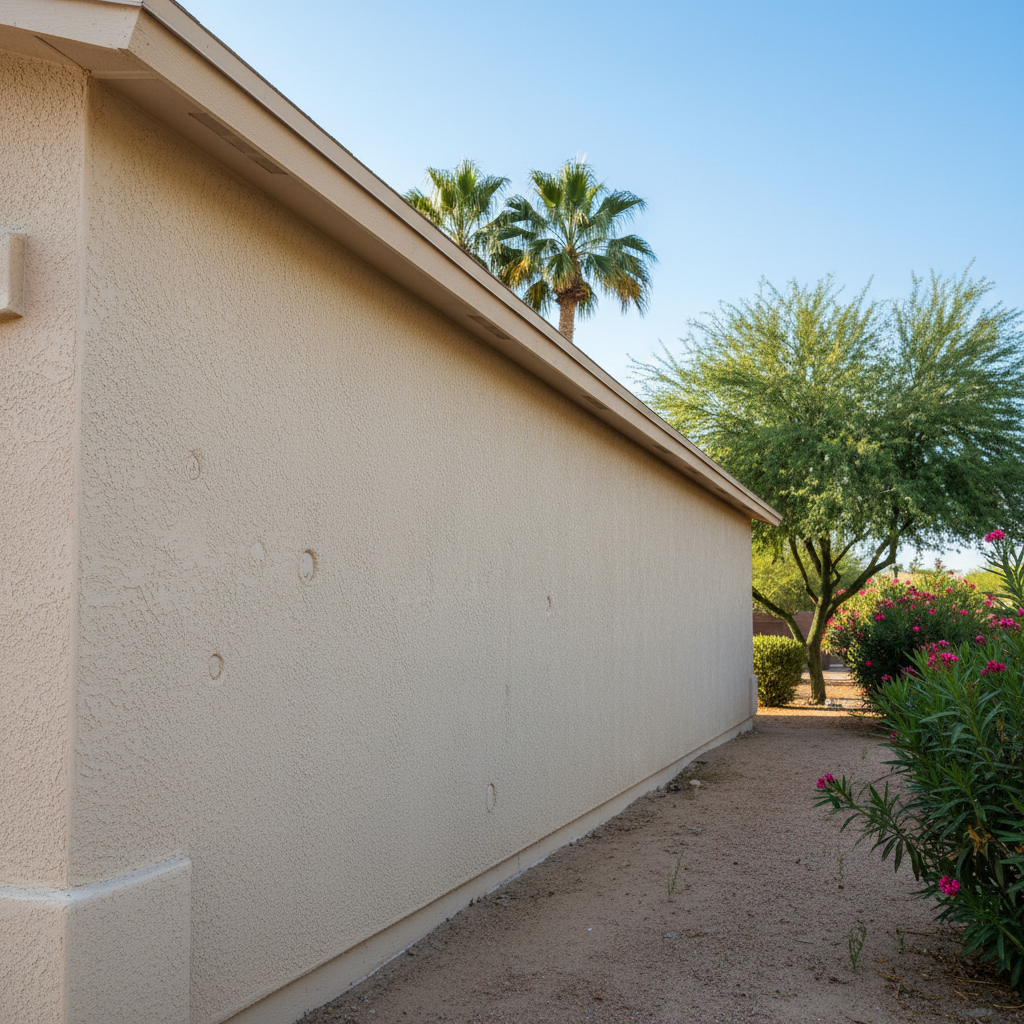
So, you're thinking about getting your stucco checked out. Maybe you're buying a new place, selling your current one, or just spotted something odd. That's a smart move. Stucco works really well in our climate, but it has to be in good shape. What I often see folks in Mesa do, though, is stumble into some pretty common mistakes right from the start. And believe me, those mistakes can really cost you down the road.
Mistake #1: Thinking a Home Inspector is a Stucco Expert
This is probably the biggest one. You hire a general home inspector, and they do their job, which is usually a quick look at the whole house. They're checking the roof, the plumbing, the electrical, the HVAC — a mile wide and an inch deep, you know? They'll definitely spot obvious stucco issues, like big cracks or missing chunks. But they just aren't set up, or trained, to do a detailed, invasive stucco inspection.
A general inspector might tell you, "Looks fine from here!" or "There are some hairline cracks, but that's normal." And while some hairline cracks *are* normal, they won't have the right tools to check for moisture lurking behind the stucco. They also won't understand the specific flashing details around your windows and doors, which are super important for keeping water out. They're not going to be drilling small holes, using moisture meters, or digging into the nitty-gritty of weep screeds and kick-out flashings. For that, you need someone who lives and breathes stucco. It's kind of like asking your family doctor to perform brain surgery — they're both doctors, but totally different specialties, right?
Mistake #2: Skipping the Invasive Part (or not knowing it's even an option)
Okay, so you've found a stucco inspector. Good for you! But then you tell them, "Just do a visual, I don't want any holes in my walls." I get it; nobody *wants* holes. But a truly thorough stucco inspection, especially if there are any warning signs or if the house is older, really needs to be invasive. That means drilling small, discreet holes, usually in spots you won't notice, to get a moisture reading from behind the stucco. It's the only way to really know if water has gotten in and if there's hidden damage.
Think about it: stucco is supposed to shed water, but if there are breaks — around windows, doors, rooflines, or even where the stucco meets the foundation — water can get trapped. And even in our dry Mesa climate, trapped water can cause huge problems. We're talking wood rot, mold, and even structural issues over time. A visual inspection is a good start, but it's like looking at an iceberg — you're only seeing the very top. A good stucco inspector will fix those small holes perfectly, by the way. You won't even know they were there.
Mistake #3: Picking the Cheapest Bid Without Asking the Right Questions
Everyone wants a good deal, especially when it comes to home services. But with stucco inspections, going for the cheapest bid can often turn into the most expensive mistake later on. There's a reason some inspectors charge more. They're usually more experienced, carry better insurance, use specialized equipment, and give you a much more thorough report.
When you're getting quotes, don't just ask for the price. Ask:
- What certifications do you have specifically for stucco inspections?
- What kind of equipment do you use (moisture meters, borescopes, etc.)?
- Will your inspection be invasive if needed, and how do you repair the holes?
- What does your report include? (You want detailed findings, photos, and recommendations.)
- How long have you been doing stucco inspections in the Mesa area? (Experience with our local building styles and common issues, like stucco over block construction, is really important.)
A good inspector will be happy to answer these questions. If they're vague or pushy, that's a big red flag. Here at Mesa Stucco & Plastering, we see the mess from cut-rate inspections all the time — homeowners discovering major issues only after they've bought a house because the first inspection missed everything.
Mistake #4: Not Understanding the Report (or not getting one at all)
So, you've had the inspection. What did you get? A verbal "it looks okay"? Or just a generic checklist? That's simply not good enough. A proper stucco inspection report should be a detailed document. It needs to clearly lay out what they found, include photos of problem areas, explain what those problems actually mean, and offer specific recommendations for repair or further investigation.
If you don't understand something in the report, ask! A reputable inspector will take the time to walk you through it. This report isn't just for you; it's a crucial document if you're buying or selling, or if you need to hire a contractor for repairs. It's your roadmap. Without it, you're just guessing.
Getting a stucco inspection done right is an investment in your home's health and your peace of mind, truly. Don't cut corners or just assume everyone knows what they're doing. Do your homework, ask the tough questions, and make sure you're getting a truly comprehensive look at your stucco. You'll be glad you did.