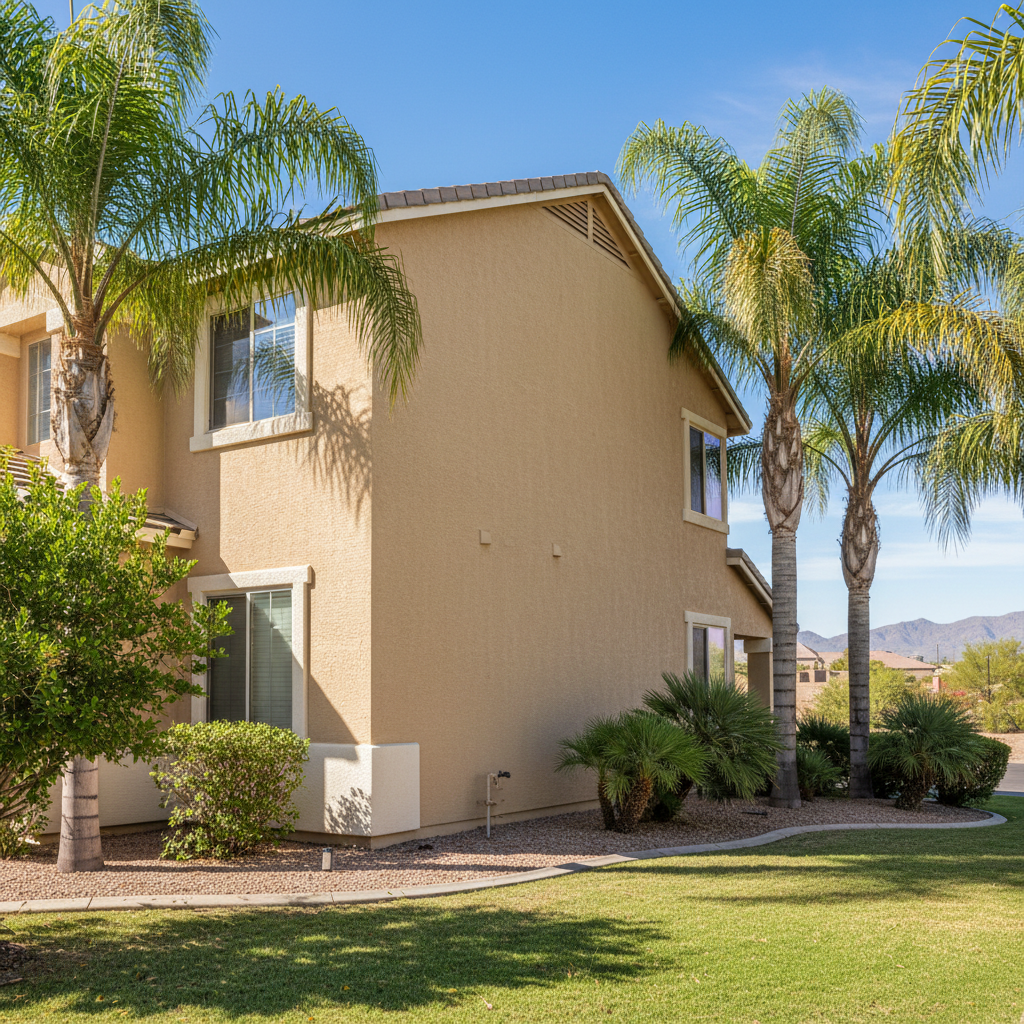
So, you've got EIFS on your place here in Mesa. That's a smart move for insulation and a clean look, especially with our crazy Arizona sun beating down most of the year. But just like anything else on your home, it's not a 'set it and forget it' kind of deal. You gotta look after it if you want it to last and keep doing its job. I've seen plenty of EIFS installations around town, from the newer builds out in Eastmark to some older commercial spots, and the ones that hold up best are always the ones that get a little attention.
Making Your EIFS Last Longer
The biggest thing you can do to make your EIFS last is pretty simple: keep water out. EIFS is designed to shed water, sure, but if moisture gets behind the system, that's when you start having real headaches. Think of it like this: our intense summer monsoons dump a ton of rain in a short amount of time, and then we have months of dry heat. That cycle can be tough on any exterior if it's not properly maintained.
- Good Drainage is Key: Make sure your gutters are clean and working right. Downspouts should direct water well away from your foundation and EIFS walls. If water is constantly pooling near the base of your walls, you're asking for trouble, plain and simple.
- Sealants and Caulking: This is huge. Check all the areas where your EIFS meets other materials – around windows, doors, utility penetrations like hose bibs or electrical conduits, and at the base of the wall. The caulk or sealant here is your first line of defense. Our Arizona sun bakes these sealants, making them brittle and crack over time. You'll need to inspect these annually and re-caulk with a high-quality, flexible sealant as needed. Don't cheap out here; a good sealant can save you thousands later.
- Proper Landscaping: Keep plants, shrubs, and trees trimmed back so they're not touching the EIFS. Not only can they hold moisture against the wall, but their branches can also rub and damage the finish. Plus, pests love to hide in overgrown landscaping and can then find their way into any small opening in your EIFS.
Regular Maintenance You Can Do
You don't need to be a pro to do most of this stuff, just a keen eye and a little elbow grease.
- Annual Visual Inspection: Walk around your entire house at least once a year, maybe in the cooler months like October or November. Look closely at every wall. Are there any cracks? Is the finish bubbling or peeling? Are those sealants I mentioned earlier still intact? Pay extra attention to corners and around openings.
- Cleaning: EIFS is pretty low maintenance when it comes to cleaning, but it does get dirty. Dust, dirt, and even some stubborn desert grime can accumulate. A gentle cleaning with a soft brush and a mild detergent solution (like dish soap and water) is usually all it takes. Rinse thoroughly with a garden hose. Don't use a high-pressure washer! That can damage the finish and even force water behind the system, which is exactly what we're trying to avoid.
- Check for Impact Damage: Kids playing, hail (rare but it happens), or even just bumping something against the wall can cause dents or holes. Small impact damage can be patched, but it's important to do it quickly before water has a chance to get in.
Warning Signs of Trouble
You'll want to keep an eye out for these red flags. If you see any of these, it's time to dig a little deeper or call someone like us at Mesa Stucco & Plastering.
- Cracks: Hairline cracks are one thing, but if you see wider cracks, especially those that run horizontally or vertically for any length, that's a concern. Cracks are open invitations for water.
- Discoloration or Staining: Dark streaks, especially below windows or other penetrations, often indicate water is getting in and running down behind the system. Green or black spots could mean mold or mildew, another sign of moisture.
- Bulges or Soft Spots: If you press on the EIFS and it feels soft, spongy, or you see a bulge, that's a serious problem. It means water has likely gotten behind the EIFS and is damaging the substrate underneath. This is a big one and needs immediate attention.
- Peeling or Delaminating Finish: If the top coat is peeling away from the insulation board, that's a clear sign of adhesion failure, often due to moisture or improper installation.
- Insect Activity: Termites or other pests can sometimes get into EIFS, especially if there are openings. If you see mud tubes or other signs of insects on or near your EIFS, get it checked out.
When to Call a Professional
Look, I'm all for homeowners doing what they can, but some things are best left to the pros. You should definitely call us or another qualified EIFS contractor if you notice:
- Any significant cracks or holes that are more than just cosmetic.
- Bulges, soft spots, or areas where the EIFS feels loose.
- Persistent staining or discoloration that indicates ongoing water intrusion.
- If you're unsure about the extent of damage or how to properly repair it. Trying to fix a significant EIFS problem yourself without the right knowledge or materials can often make it worse and more expensive to fix later.
Proper EIFS maintenance isn't rocket science, but it does require diligence. A little bit of proactive care goes a long way in protecting your investment and keeping your Mesa home looking sharp and energy efficient for years to come.